
Essential native plants
The complete guide for a natural garden. Let your garden bloom and teem with life: with plants that belong, last and strengthen nature.
Everywhere I go, I see the same thing. Garden plants that are destined to die. Withered. Dried out. Fading away. Often, they are flashy disposable ornamentals: low nature value, little resilience and no longevity.
What surprises me is that hardly anyone seems to find it odd. Not the garden centres, where sales seem more important than survival. Not the growers, promoting heavily cultivated varieties. And even many professionals—including designers—rarely look at what the garden will be like in a few years’ time.
That really gets to me.
And yet, I wonder: what if we made bold choices? With plants that truly belong. And last.
Plants that invite butterflies, feed wild bees, and bring life.
In gardens that keep flowering, even without constant maintenance.
Year after year.
Because a strong, biodiverse garden starts with the right choices.
This blog helps you get started. You will discover that to pay attention to – and can download my top selection for free: a list of beautiful garden plants. Robust, flower-rich, and a real boost for biodiversity. For a garden full of flowers. And full of life.
Renovating your garden? GO WILD!
Whether you are renovating your garden or starting from scratch: choose locally native plants. These are species that grow naturally here—think of Ragged-Robin or Musk Mallow. They form the backbone of the ecosystem.
But here’s the catch: a plant can be ‘native’ without truly being local. A cultivated ox-eye daisy might originate from another country. Native, yes. But not wild-type.
True wild plants are wild-type (local provenance): derived from local populations, without breeding or import. They are best adapted to the soil, the climate and the local ecosystem.
That matters. Because wild plants:
- Provide better food for wild bees, butterflies and natural pest predators
- Are more resilient to drought, disease and climate change
- Require less care and maintenance
- And keep your garden healthy, cooler and alive
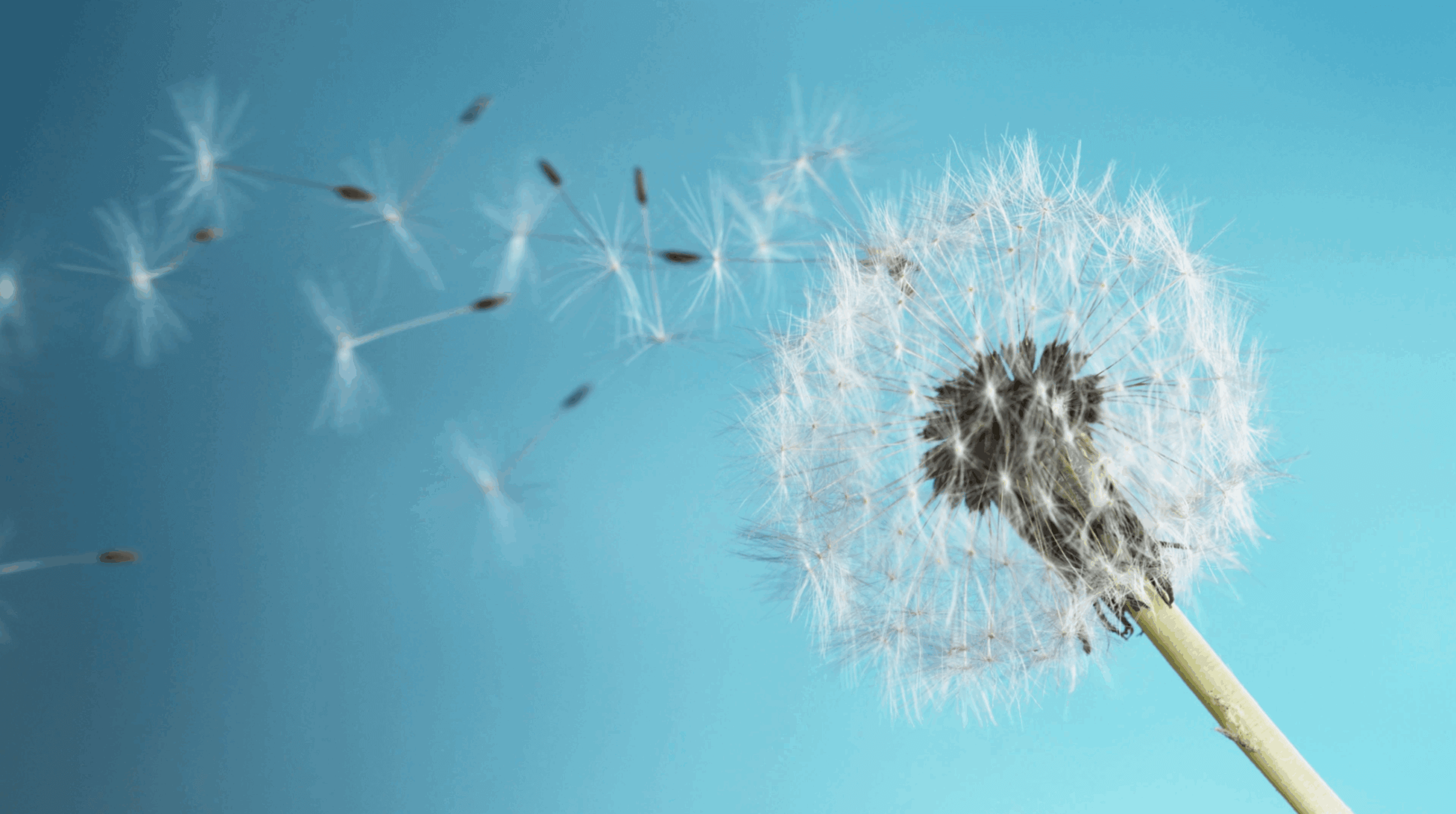
“To plant a garden is to believe in tomorrow.”
Audrey Hepburn
From garden to stepping stone for nature
Wild plants offer more than just colour. They bring life into the garden—and turn it into a stepping stone for wildlife.
But how do you actually do that—create a stepping stone for nature?
By using wild plants, creating a wildlife-friendly habitat, and making conscious choices for ecological and sustainable solutions. More on that in a moment.

”Nature in balance manages pests much better than people do”
Why does every garden count?
Many insects have a small range. They need nectar continuously. Without flowers nearby, they won’t make it. In large fields, even the opposite edge can be too far away. No flowers, no ecosystem.
That is precisely why gardens, parks and verges matter. What if part of these gardens became refuges for pollinators, birds and other wildlife? What if your garden became an ecological hotspot—a connection between nature areas.
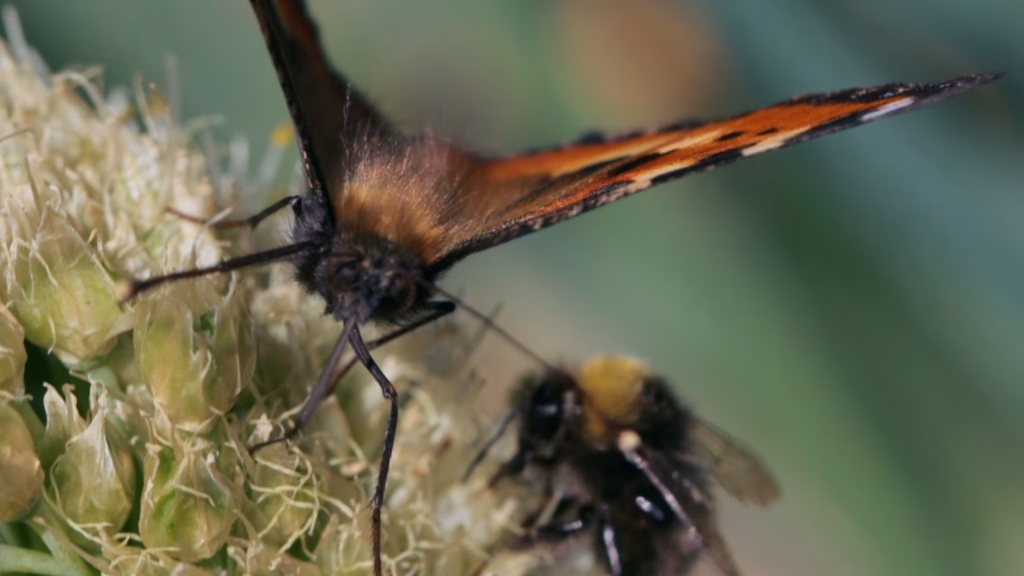
The best plants for a garden full of flowers and life
Which flowers attract wild bees and butterflies?
Which plants bloom for months and require little care?
Which species are genuinely robust and resilient?
I have compiled a top selection of perennials that are:
- Long-flowering
- Low-maintenance
- Valuable for wild bees and butterflies
- Versatile for different garden types
Here is a selection to get you started:
- Musk Mallow (Malva moschata) – insect magnet, host plant, moist, pH 6-7,5
- Brown Knapweed (Centaurea jacea) – long-flowering, attracts beneficial insects, pH 5-7
- Meadow Crane’s-bill (Geranium pratense) – insect & host plant, nutrient-rich soil, pH 6,5-7,5
- Spotted Dead-nettle (Lamium maculatum) – woodland edge plant, partial shade, ground cover, pH6-7,5
Would you like the full top 20, including explanations and tips? Download the complete (free) list below:
This list comes from the A Natural Garden that works Masterclass by Ecology Academy and includes practical tips.
The perennials in this list thrive in most gardens, but the list is not divided by soil type or habitat. And ‘native’ does not automatically mean ‘appropriate’. A species that belongs on acidic sandy soil won’t thrive in wet clay.
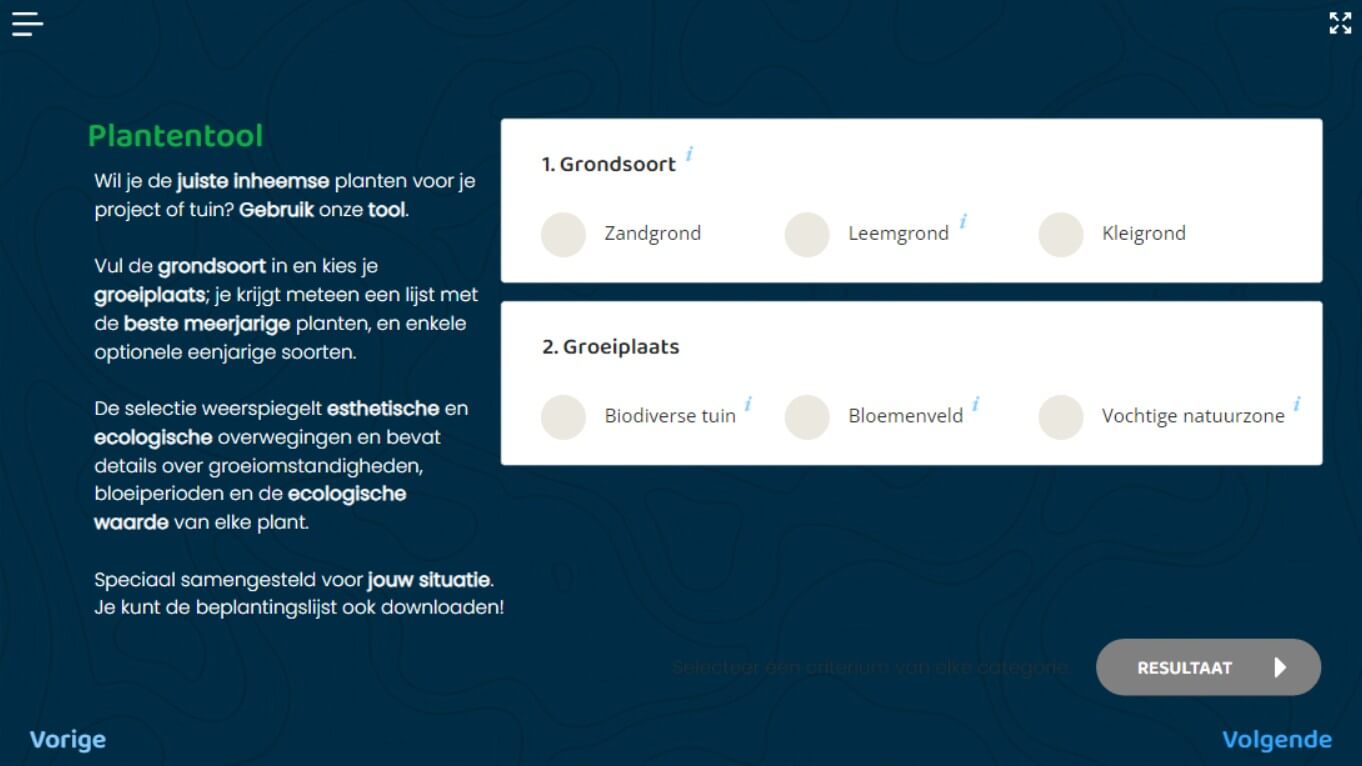
Do you really want the right plant in the right place, tailored to your specific conditions? The A Natural Garden that works includes a handy Plant Selection Tool. Select your soil type and habitat and instantly generate a tailored list—including ecological value, combinations and tips—supplemented with suitable annuals and biennials.
This way, you avoid confusing labels like “for light or heavy soil” (as if a bucket of sand or clay could ever be light), often used in retail. Instead, you choose what truly fits—and avoid being stuck with standard mixes containing unwanted or ecologically poor choices. You decide what you want, and what truly works.
Garden design course: for butterflies and bees
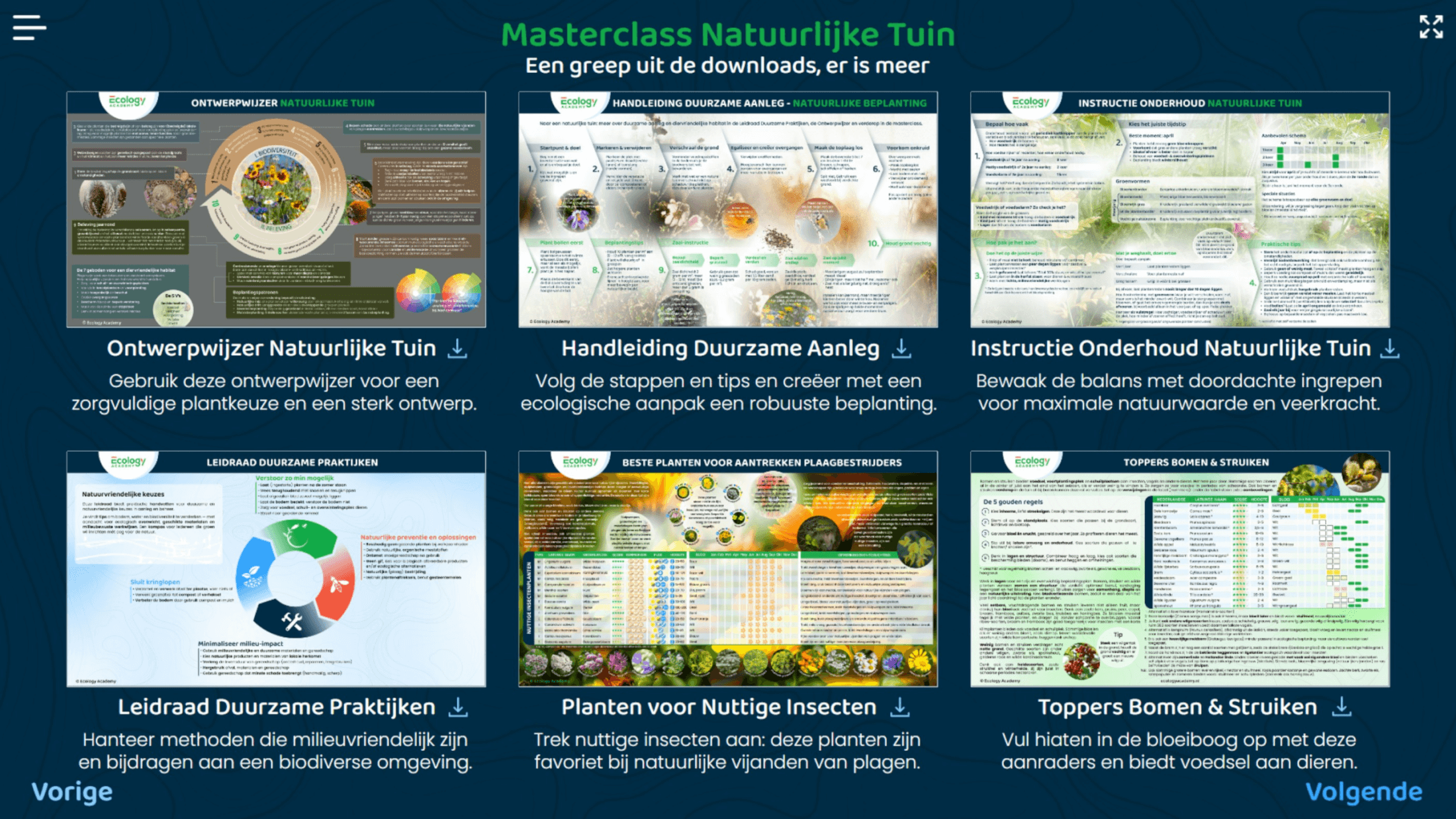
It all starts with wild plants. But a real boost for nature only comes from making the right choices: ecological and sustainable solutions. The A Natural Garden that works Masterclass provides a clear roadmap for working ecologically and sustainably. You get access to many more downloads, including the 7 Golden Rules for a wildlife-friendly habitat.
Download manuals for garden design, ecological maintenance, sustainable establishment and plant selection. Discover how to create a natural, flower-rich garden teeming with life—with bees, butterflies and natural pest controllers.
Make a difference for nature
Do you want to renovate your garden or create a new one? Or even design for others? With more colour, more life, more impact?
Then check out the A Natural Garden that works Masterclass by Ecology Academy.
For every gardener and designer who wants to get it right. With plants that truly belong, thrive and strengthen nature.
Deel deze blog



Questions about best native plants for natural gardens
A chemical-free, flower-rich garden with locally native species, flowers from early to late, and plenty of shelter attracts more butterflies and wild bees.
You get more butterflies and wild bees with an ecologically sound, chemical-free garden: no pesticides, no artificial fertilisers, a living soil and planting with high nature value. Aim for flowers from early spring to late autumn (a continuous flowering sequence) and combine nectar plants with host plants for caterpillars. Match the planting as closely as possible to the insects you want to support.
Turn the garden into a wildlife-friendly habitat: dense shrubs, rough corners, a log pile (dead wood), small stone walls (ideally with loam or sand between the stones) and more places for wildlife. Add water, too. This creates a small ecosystem where insects find food, shelter and breeding space.
Make the right choices for ecological and sustainable solutions during establishment and maintenance—you will see the result in a garden teeming with life.
Want to know more? Read the blog What is an ecological garden?
Make the garden attractive to bees and butterflies with locally native nectar and host plants, spread flowering across the seasons, and choose open, nectar-rich flowers that are easy to access.
The core is locally native plants with high nature value: they offer better food for local insects and are better adapted to the soil and climate. Build a flowering sequence with species that take turns blooming throughout the year.
Focus on flowers that are rich in nectar and easy to access. Many beneficial insects—including many wild bees and hoverflies—have short tongues and benefit from open flower structures, short tubes and shallow nectaries.
Do you want to learn more, download plant lists for beneficial insects, and make a well-founded plant choice that fits your soil and habitat? Follow the A Natural Garden that works Masterclass.
A low-maintenance, flower-rich garden starts with robust locally native species and ecological management: healthy soil, no chemicals and sustainable choices.