Project portfolio
A selection of projects is shown here, ranging from small gardens to large-scale restoration.

Explore real-world examples of ecological restoration and climate adaptation—from design to implementation and management. Click through for objectives, approach, implementation and outcomes.
In Ecology Academy’s projects, ecological design becomes tangible. Ecological design enables all elements—energy, water, plants and soil—to work together efficiently, whilst respecting the interactions between all living things and their relationship with the environment. A delicate dance of co-existence, where everything is connected: from a site’s character and uniqueness to the geometry of the design and the choice of plant guilds. The result is symmetry, synergy, resilience and a stronger connection with life.
Every project is unique. Nothing is certain—and everything is possible. Apply knowledge, dare to experiment—with powerful results.
A selection of projects is shown here, ranging from small gardens to large-scale restoration.
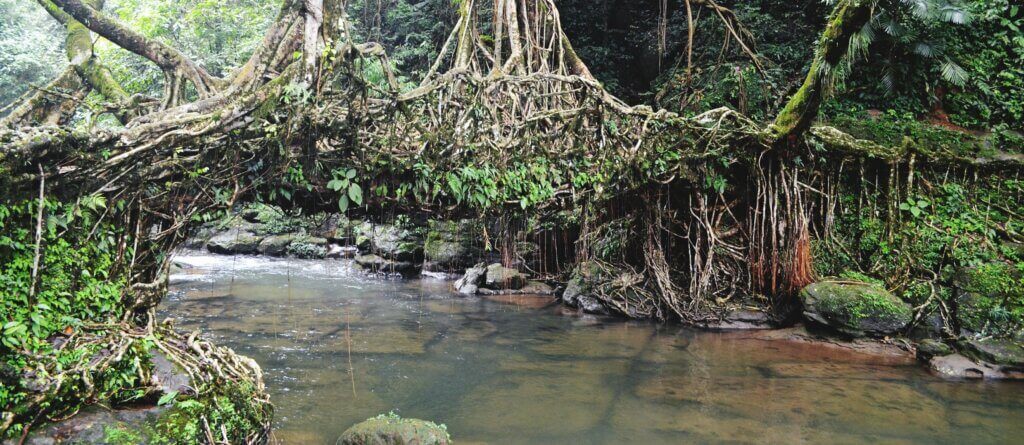
Design and realisation of water systems: storage, infiltration, retention.
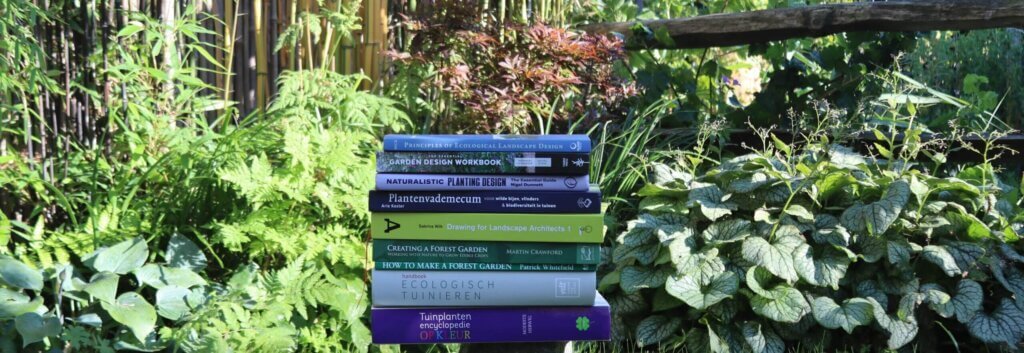
Development of multiple ecological programmes with recognised EQF accreditation.
Ecology Academy’s projects focus on ecological restoration and climate adaptation: water management, soil improvement, biodiversity, food forests and edible planting.
Projects range from private gardens to large-scale restoration projects in the Netherlands and abroad. Objectives and approach vary by site; the common thread is an ecosystem approach that restores soil, water and vegetation. Planting is always bespoke: native species, plant communities and a well-designed planting plan.
Click through to Project Portfolio and Water System Design for examples.
Some projects are in Mediterranean climate zones—particularly Spain – ranging from larger gardens to large-scale ecological restoration of degraded land.
Projects restore soil and water, increase biodiversity, and make gardens and landscapes robust and climate-resilient again.
Each project builds a robust ecosystem in which water, soil and vegetation reinforce one another – supporting lasting recovery and greater resilience. The outcome is better resistance to drought, heat and erosion, with biodiversity returning over time. The approach combines knowledge of ecology, hydrology, permaculture, sustainability, and landscape and garden architecture.
Read more about Chris de Waard’s approach and vision.