 Met de beste inheemse planten. Gratis download →
Ecological garden: what is it?
An ecological garden. The term is everywhere these days. But what does it actually mean?
Ecological garden design is the foundation for creating a living ecosystem. That is how an ecological garden takes shape: designed in harmony with nature, where everything connects.
Balance is restored. Complexity and diversity support and enhance each other. A web of life emerges.
At its core, ecology is about relationships – and nature’s ability to recover. It describes interactions and interconnectedness. It is organised chaos, simply because nature is always in motion.
A natural garden is in balance
This is why ‘ecological’ describes an approach: one that disrupts ecological interactions as little as possible, helps restore them, and creates the conditions for them to thrive. Often, ‘supporting’ nature is simply compensating for what is currently missing.
Take aphids, for example. A large aphid population usually means there are too few natural predators: ladybirds, earwigs, hoverflies, lacewings, various spiders, beetles – and birds. The underlying issue is often simple: there is not enough suitable habitat for these beneficial creatures..
In bland gardens and monocultures, one animal species can find an excess of food. Pests effectively ‘hop’ from one host plant to the next. An ecological garden breaks that cycle naturally.
Biodiversity creates stability
The goal of ecological design is to mimic a natural ecosystem – one that regulates itself through diversity. Nature-based design principles help drive biodiversity as high as possible. Closing loops, sustainability and circularity are key. Reducing the ecological footprint through the re-use of materials is an integral part of that.
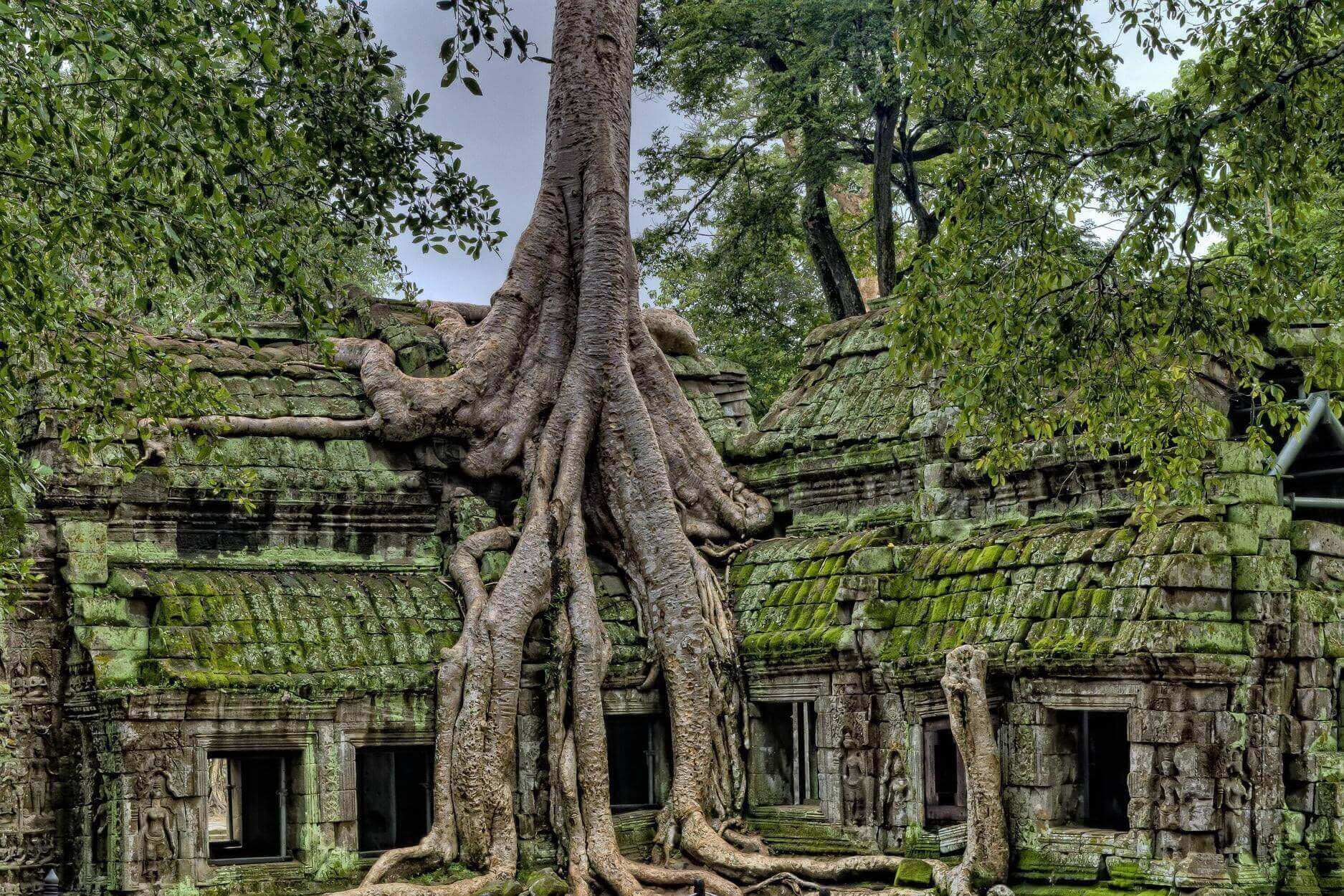
Mimic nature
”Every landscape has its beauty, complexity and resilience. Aspire to emulate a healthy, sustainable ecosystem.”
The greater the biodiversity, the more stable the system. A healthy, biodiverse garden attracts beneficial wildlife — predatory insects, frogs, thrushes and hedgehogs. Leaf damage and other ‘imperfections’ are part of nature, but they remain limited when natural predators are present.
Space for wildlife in an ecological garden
Connection zones and transitions (ecotones) are crucial for nature value and biodiversity. In ecological design, multiple biotopes are created — habitats for wildlife.
Typical building blocks of a natural/ecological garden include: a living hedge (instead of a solid fence), a dead hedge or log pile, shelter and winter refuges (old roof tiles, dry stone walls, stacked materials), nesting and feeding spots (bird thickets, flowering arches), water features (a wadi/rain garden, pond, or water element).

”Ecological design is first and foremost an art and a way of seeing. Design spaces which create, support and enhance life and living systems.”
An ecological garden uses varied planting for insects (bees, butterflies, hoverflies and more), with nectar and pollen from early spring right through to early winter. It also includes key nectar plants and host plants for the insect species you specifically want to support.
Bird-friendly structure, layered planting, and plants with explicit ecological functions belong here too. Bio-accumulators, nitrogen fixers and deep-rooted species are essential.
Choose botanical (wild-type) species rather than highly cultivated cultivars. Prioritise locally native plants, because local ecosystems depend on them – complemented, where appropriate, by non-native species.
Water in the natural garden
Water is the soul of the garden. It is vital for plants and wildlife. Healthy, water-absorbing soil supports healthy, resilient planting. Wildlife relies on water: for bathing (birds), drinking, and reproduction (frogs, newts). Natural, gently sloping banks are particularly valuable.
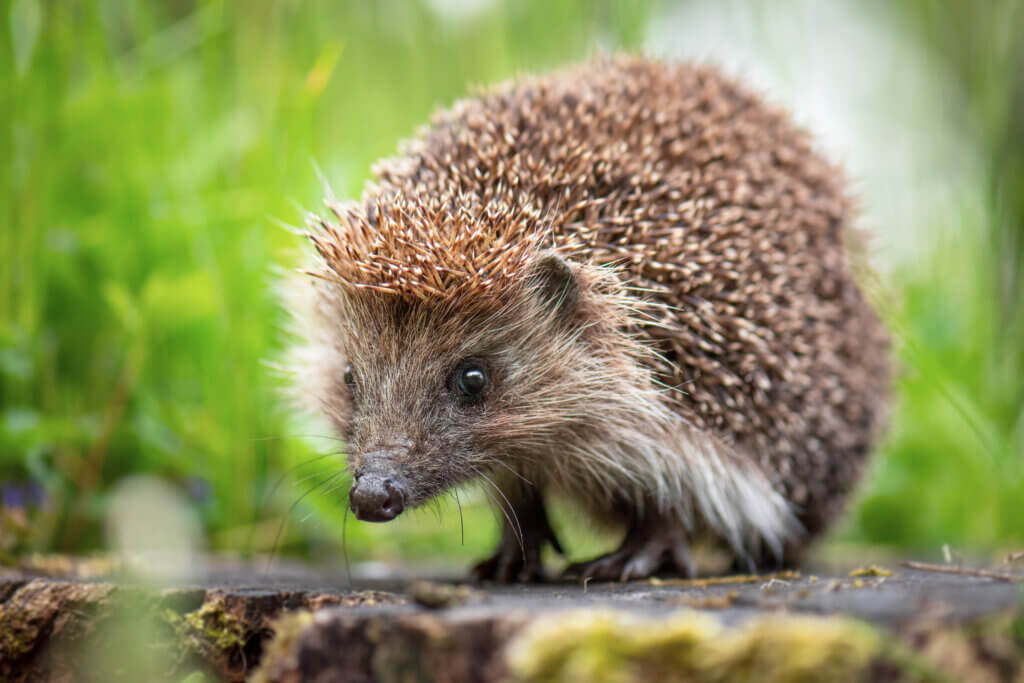
An ecological garden regulates itself
An ecological garden improves water and carbon storage, uses sunlight efficiently (through layered planting), attracts beneficial wildlife, brings the soil to life — and combines less maintenance (after establishment) with more intimacy and an elegant, natural look.
A well-designed, nature-friendly garden can be extraordinary: atmospheric, captivating, exuberant and flower-rich. It is densely planted with multi-functional species, including fruit trees, herbs, green manures, and plants that support birds, bees and butterflies. It often inspires you to:
- Work with nature, not against it
- Adopt healthier, more sustainable ways of living
- Move towards self-sufficiency (edible plants and fruits)
Want to learn how to design or create a natural garden – and which plants and techniques work? Explore the Ecology Academy course catalogue.
Deel deze blog



Questions about ecological gardens and design
In an ecological garden, soil, water, plants and wildlife form a stable, self-regulating ecosystem: biodiverse, densely planted, chemical-free and sustainable.
Key features of an ecological garden include:
- Healthy, living soil
- Smart rainwater management (collection, infiltration, storage)
- Minimal paving and hard surfaces
- High diversity of plants, structures and biotopes
- Varied, locally native planting
- Species with clear ecological functions
- Connection and transition zones (ecotones)
- Habitat for beneficial wildlife (food, shelter and breeding sites)
- No chemical pesticides or artificial fertilisers
- Sustainable and circular: re-use and closing loops
Such a garden delivers clear results: better water and CO₂ storage, more beneficial wildlife, living soil, and less maintenance – with a stronger sense of enclosure and calm.
An ecological garden is almost always a natural garden, but not every ‘natural garden’ is ecological. What many people call ‘natural’ often refers to atmosphere and form, not necessarily ecology. In an ecological garden, the ecosystem is central: how do you strengthen soil life, biodiversity and natural cycles?
At Ecology Academy, a ‘natural garden’ always means a garden that is also ecologically thought through. Want to create a natural garden? Explore the Natural Garden Masterclass.
In garden design and creation, ‘ecological’ means strengthening soil, water balance and biodiversity, aligning with natural processes and making sustainable choices.
Ecological refers to the approach. In design, construction and maintenance, every decision is viewed through an ecosystem lens: does this disrupt, restore or strengthen the relationships between soil life, plants, water and wildlife?
In practice, ‘ecological’ means that you:
- Think and work with nature: following natural processes rather than fighting them
- Minimise disturbance to ecological relationships and restore or strengthen them where possible
- Tailor interventions such as cultivation, fertilising, pruning and mowing to what strengthens soil life, water balance and biodiversity over the long term
Simply put, ecological gardening is applying this approach in the ongoing care and management of the garden.
Want to learn more about sustainable practices and nature-friendly maintenance? Join the Natural Garden Masterclass.
Ecological garden design is a design method where the ecosystem is the guiding principle, focused on self-regulation, ecological balance, nature value and closing loops.
It is about the way of designing: treating each site as a living system, with balance as the aim. Design choices are not just about form and atmosphere, but also about soil, water, locally native planting, biodiversity, ecological functions, nature value and cycles.
Ecological design draws on concepts such as permaculture, recent ecological insights, newer approaches in landscape architecture and long-tested techniques. It shares much with permaculture (working with natural processes, cycles and layers).
The key difference is the starting point. Permaculture often combines design method, values and worldview, with a strong emphasis on productive systems and harvest. Ecological design starts with ecological knowledge and how natural systems function – and applies that knowledge in design. A strong, healthy ecosystem is central, which often makes ecological design easier to apply in mainstream garden projects.
Want to learn more about ecology or ecological design? Explore the Ecology Academy course catalogue.
Over time, an ecological garden results in less maintenance. With healthy soil, good water management and the right plant selection, the garden increasingly becomes a self-regulating ecosystem.
In the design phase and during construction, an ecological garden often requires more care: soil improvement, thoughtful plant selection and a smart structure take time and careful coordination. The first few years after planting can also require more maintenance, as the system is still developing.
Once soil, water balance and planting are attuned to one another, maintenance decreases: less symptom-fighting, more targeted care — and a stronger sense of enclosure.
As an ecological garden functions more and more as a self-regulating ecosystem – with living soil, high biodiversity and beneficial wildlife – the need for intensive maintenance diminishes. The work shifts to observing, guiding and fine-tuning natural processes.
Want real-life examples? Visit the project portfolio.